
How Can I Help My Preschooler Adjust to a New School Routine?
The best way to help a preschooler adjust to a new school routine is to create predictable routines at home, prepare them for what to expect, keep goodbyes short and consistent, and communicate closely with their teachers. Children often adapt more comfortably when home and school provide consistent expectations, reassurance, and opportunities to practice new routines.
At Castle Creek Christian Academy, we understand that beginning preschool or transitioning to a new classroom is a significant milestone for the entire family. New teachers, classmates, schedules, and expectations can feel exciting one moment and overwhelming the next. Our goal is to provide Flower Mound families with a warm, nurturing environment where children can build confidence, independence, friendships, and a love of learning. By combining caring relationships, consistent routines, engaging learning experiences, and Christian values, we help children feel secure as they become comfortable with their school day.
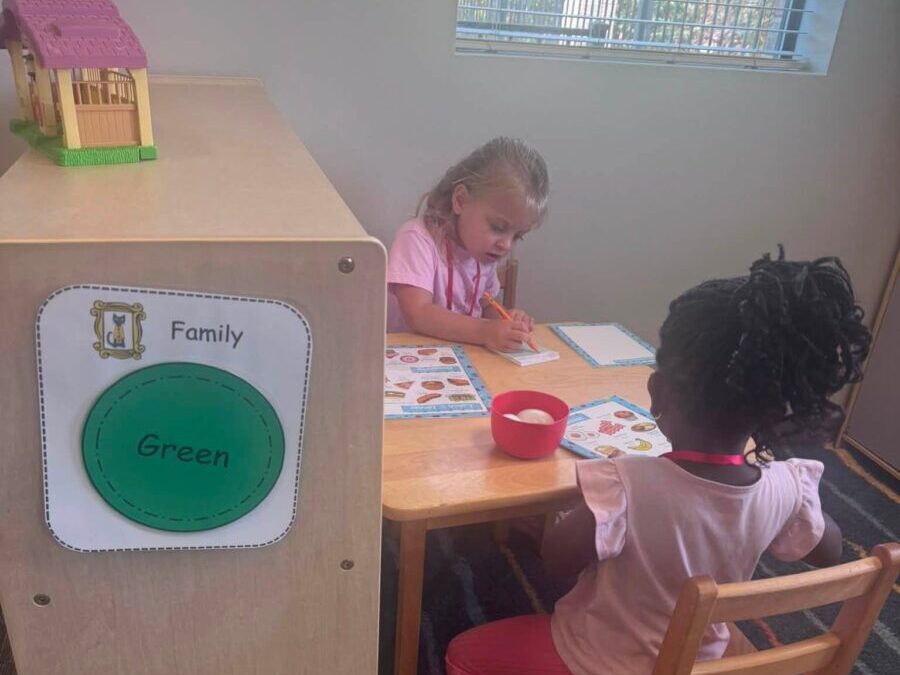
Helping Preschoolers Transition to a New School Schedule
A successful preschool transition usually comes from consistency, preparation, and patience, rather than expecting a child to immediately feel comfortable with every part of the new routine.
The National Association for the Education of Young Children (NAEYC) notes that predictable classroom environments, schedules, and routines can help children anticipate what comes next and become more independent. For parents, this means some of the most effective preparation can happen before your child even walks through the classroom door.
How Can I Prepare My Preschooler for a New School Routine?
Start practicing the new routine at home before the first day whenever possible. Familiarity can make mornings feel less stressful because your child already knows the basic sequence of what will happen.
Try creating a simple morning routine such as:
- Wake up and get dressed.
- Eat breakfast.
- Brush teeth and get ready.
- Pack or check the school bag.
- Put on shoes.
- Leave for school.
- Arrive and follow the same goodbye routine.
For younger preschoolers, consider making a picture schedule showing each step. NAEYC recommends visual schedules and other cues because they can help young children understand what is happening now and what will happen next.
You can also talk about the school day in simple, positive terms. Instead of repeatedly asking, “Are you nervous about school?” try explaining what your child can expect: “First we’ll drive to school, then your teacher will greet you, you’ll play and learn with your friends, and I’ll come back after school.”
Practicing the routine helps turn an unfamiliar experience into something your child can begin to predict.
What Should I Do If My Child Cries at Preschool Drop-Off?
Keep your goodbye loving, confident, and consistent, even when your child is upset. A predictable goodbye ritual helps children understand that separation is temporary and that their parent or caregiver will return.
NAEYC recommends establishing a consistent goodbye routine and avoiding unnecessarily prolonged departures. A ritual might include:
- One hug and kiss
- A short prayer or encouraging phrase
- A special handshake
- A wave at the classroom door
- The same reassuring words each morning
For example, you might say, “I love you. You’re going to have a great day, and I’ll be back after school.”
Then allow the teacher to guide your child into the classroom routine.
It can be tempting to return for another hug when your child cries. However, repeatedly leaving and coming back can make the goodbye less predictable. A calm, consistent departure helps reinforce the pattern: my parent leaves, I am safe here, and my parent comes back.
Why Are Consistent Routines So Important for Preschoolers?
Predictable routines give preschoolers a sense of security and help them understand what is expected of them. They can also support growing independence as children learn to anticipate the next part of their day.
NAEYC identifies routines and transitions as important parts of supportive early childhood environments. Consistent schedules can help children anticipate change, while teachers can make transitions easier by giving advance notice and clear signals about what happens next.
Families can reinforce that predictability at home with consistent:
- Wake-up times
- Morning routines
- Mealtimes
- After-school routines
- Bath and bedtime schedules
Bedtime is particularly important during a school transition. A preschooler is processing new people, activities, expectations, and surroundings throughout the day. A calm and predictable evening gives your child time to reconnect with family and prepare for the next day.
According to NAEYC’s 2026 guidance for families navigating school transitions, children may also need extra opportunities to rest, play, or reconnect with parents after spending their day processing many new experiences.
How Can Parents and Preschool Teachers Work Together?
Regular communication between families and teachers can make school transitions easier because both sides can respond consistently to a child’s needs.
Tell your child’s teacher about anything that may help them understand your preschooler, including favorite activities, comfort strategies, morning challenges, or recent changes at home. Likewise, ask teachers what routines and language they use in the classroom.
You might ask:
- What happens immediately after drop-off?
- What does my child seem to enjoy most?
- Are there particular transitions that are difficult?
- What words or songs do you use during cleanup and other transitions?
- Is there something we can practice at home?
This partnership helps create continuity between home and school.
At Castle Creek Christian Academy, relationships with families are an important part of creating a supportive preschool experience. When parents and teachers communicate openly, children receive a powerful message: the adults caring for me are working together.
How Long Does It Take a Preschooler to Adjust to a New School?
There is no single timeline that applies to every preschooler. Some children quickly embrace their new routine, while others need additional time, repetition, and reassurance.
Instead of measuring progress only by whether your child cries at drop-off, look for smaller signs of adjustment. Your preschooler may begin:
- Talking about a teacher or classmate at home
- Mentioning favorite classroom activities
- Walking into school with greater confidence
- Following the morning routine with less prompting
- Recovering more quickly after goodbye
- Becoming excited to share something about the school day
Celebrate those small steps.
If your child continues to have significant difficulty, talk with the teacher rather than trying to solve the problem alone. Teachers may notice that your child settles shortly after you leave, or they may identify a specific part of the routine that needs additional support.
For Flower Mound families, consistency outside of school can help too. Keeping familiar family routines, such as an evening walk, bedtime story, church activity, or weekend visit to a favorite community spot, can provide comforting anchors while the school routine is changing.
Frequently Asked Questions About Starting Preschool
Should I stay longer at drop-off if my preschooler is crying?
Usually, a short and predictable goodbye is more helpful than repeatedly extending the departure. NAEYC recommends establishing a routine, saying goodbye once, and allowing teachers to help children transition into their day.
Should we practice the school routine before preschool starts?
Yes. Practicing wake-up times, getting dressed, eating breakfast, leaving the house, and talking through the school day can make the routine more familiar. NAEYC also recommends talking with children about new routines and practicing them before a school transition.
Is it normal for my child to be tired after starting preschool?
A new school routine can require considerable physical, social, and emotional energy. Children may benefit from quiet play, family connection, consistent meals, and a predictable bedtime while they adjust.
What if my preschooler says they do not want to go to school?
Listen to the concern without immediately trying to dismiss it. Acknowledge your child’s feelings, reassure them about what will happen, and maintain a calm, predictable routine. If the concern continues, communicate with the teacher to determine whether a specific part of the school day is causing difficulty.
Help Your Preschooler Start With Confidence at Castle Creek Christian Academy
Starting a new preschool routine is a big step, but your child does not have to master it overnight. With predictable routines, positive preparation, consistent goodbyes, and a strong partnership between home and school, children can gradually develop the security and confidence they need to thrive.
At Castle Creek Christian Academy in Flower Mound, TX, we are committed to creating a caring, faith-centered environment where children can learn, grow, explore, and build meaningful relationships. Contact Castle Creek Christian Academy to learn more about our programs and schedule a visit.