
How Can Parents Ease Separation Anxiety in Toddlers and Preschoolers in Flower Mound, TX?
Parents can ease separation anxiety in toddlers and preschoolers by establishing predictable routines, practicing short separations, keeping goodbyes brief, and working closely with trusted caregivers. Separation anxiety is a normal part of early childhood development, especially during transitions into daycare or preschool. Consistent reassurance and supportive classroom environments help children gradually develop confidence, independence, and emotional security.
Starting daycare or preschool is an exciting milestone, but saying goodbye can be challenging for young children and their parents. Tears at drop-off, clinginess, and reluctance to enter the classroom are common signs of separation anxiety. While these behaviors can be difficult to navigate, they often reflect a child’s growing attachment to familiar caregivers rather than a problem with the school environment.
At Castle Creek Christian Academy in Flower Mound, TX, we understand the importance of helping young children feel safe, loved, and supported as they develop independence. Our Christian-centered approach emphasizes compassion, patience, and meaningful relationships that nurture children’s emotional and social growth. By partnering with families and encouraging consistent routines, we strive to make the transition into early childhood education a positive experience for every child.
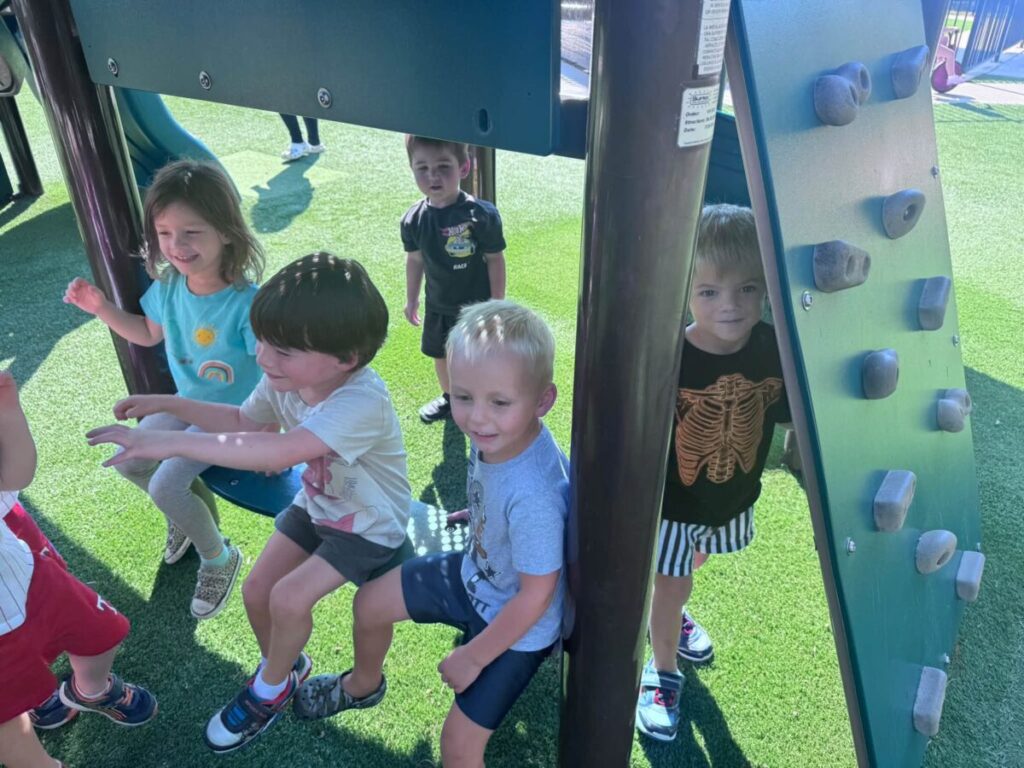
Understanding Childhood Separation Anxiety and Building Confidence in Preschool
Separation anxiety is a common developmental response that occurs when young children become distressed about being apart from their parents or primary caregivers. Understanding why it happens and how to respond can help Flower Mound families create smoother daycare and preschool transitions.
What Causes Separation Anxiety in Toddlers and Preschoolers?
Separation anxiety often develops as children become more aware of their relationships with familiar adults and begin understanding that parents can leave their immediate surroundings.
According to the American Academy of Pediatrics (AAP), separation anxiety is a normal developmental experience that commonly emerges during infancy and may continue into the toddler years.
Several factors can make separation anxiety more noticeable:
- New environments: Starting daycare or preschool introduces unfamiliar classrooms, teachers, and routines.
- Changes in family schedules: Moving, welcoming a sibling, or adjusting work schedules can increase a child’s need for reassurance.
- Developing awareness: Young children gradually learn that parents exist even when they cannot see them, but they may not fully understand when their parents will return.
- Individual temperament: Some children naturally need more time to feel comfortable with unfamiliar people and situations.
- Interrupted routines: Illness, vacations, or extended school breaks may temporarily bring back separation difficulties.
For families in Flower Mound, transitioning from home care to a structured preschool environment can be a significant adjustment. Recognizing these triggers allows parents to respond with patience rather than frustration.
How Can Parents Make Preschool Drop-Off Easier?
A predictable goodbye routine is one of the most effective ways to help toddlers and preschoolers feel secure during separation.
Children benefit from knowing what to expect each morning. When parents follow consistent steps, children gradually learn that saying goodbye is temporary and that their caregivers will return.
Consider these practical strategies:
- Create a consistent morning routine. Follow the same general schedule for waking up, getting dressed, eating breakfast, and traveling to school.
- Practice short separations. Arrange brief, positive experiences with trusted family members or caregivers before starting preschool.
- Develop a special goodbye ritual. A hug, high-five, or simple phrase such as “I love you, and I’ll see you after snack time” can provide reassurance.
- Keep goodbyes brief and positive. Acknowledge your child’s feelings, then confidently transition them to their teacher.
- Avoid sneaking away. Leaving without saying goodbye can increase uncertainty and make future separations more difficult.
- Offer a familiar comfort item when permitted. A small family photo or approved comfort object may help children feel connected to home.
Parents should also avoid returning repeatedly after saying goodbye, as this can make the transition more confusing.
Most importantly, acknowledge your child’s emotions without suggesting that school is something to fear. A calm response communicates confidence in their ability to adjust.
How Do Christian Preschools Help Children Overcome Separation Anxiety?
A nurturing Christian preschool can help children manage separation anxiety by building trusting relationships, establishing consistent expectations, and encouraging emotional development through compassionate care.
Young children are more likely to feel comfortable exploring a new environment when they develop secure, positive relationships with their teachers.
At Castle Creek Christian Academy, our faith-based educational philosophy emphasizes values such as kindness, patience, love, and respect. These principles support a welcoming atmosphere where children can gradually build confidence.
Supportive preschool practices may include:
- Warm teacher greetings: Familiar faces and personalized welcomes help children feel recognized and valued.
- Predictable classroom activities: Consistent schedules provide stability and reduce uncertainty.
- Engaging play opportunities: Music, art, storytelling, and interactive activities help children become involved in their surroundings.
- Gentle emotional guidance: Teachers can help children identify feelings and practice age-appropriate coping skills.
- Family communication: Open conversations between parents and educators help maintain consistent expectations.
Faith-based encouragement can also reinforce messages of love, belonging, and compassion. Simple Bible stories and age-appropriate discussions about kindness can help children understand that they are cared for and supported.
For Flower Mound parents seeking a Christian preschool, a nurturing environment that balances emotional development with early learning can make a meaningful difference during this transition.
How Long Does Separation Anxiety Last When Starting Preschool?
Separation anxiety often improves as children become familiar with their teachers, classmates, and daily routines. Some children settle within days, while others need several weeks or longer to adjust.
There is no universal timeline because children’s emotional development, previous childcare experiences, and individual personalities vary.
Parents can look for encouraging signs of progress, including:
- Crying for shorter periods after drop-off.
- Beginning to participate in classroom activities.
- Developing positive relationships with teachers.
- Talking about friends or enjoyable experiences at school.
- Showing greater confidence during morning routines.
Progress is not always consistent. A child who has adjusted well may temporarily struggle again after a holiday, illness, or change in routine.
The Centers for Disease Control and Prevention (CDC) emphasizes the importance of monitoring children’s developmental milestones, including social and emotional skills. Parents can use these milestones as general guides while remembering that every child develops at an individual pace.
If separation anxiety remains intense, causes significant distress throughout the day, or interferes with sleep, eating, or everyday activities, parents should consult their pediatrician for additional guidance.
What Can Parents Do at Home to Build Independence and Emotional Security?
Children develop confidence through repeated opportunities to practice independence while knowing trusted adults remain available for support.
Parents can encourage this growth through simple everyday experiences.
Allow toddlers to make age-appropriate choices, such as selecting a book or choosing between two outfits. Encourage preschoolers to complete manageable tasks, including putting away toys, washing their hands, or carrying their backpacks.
Reading books about starting school and talking positively about classroom experiences can also help children prepare emotionally.
For Christian families, prayer and conversations about God’s love can provide another source of comfort. Parents might say a short morning prayer together, asking for courage, kindness, and a joyful school day.
Consistency between home and preschool is especially valuable. When families and teachers use similar reassuring language and routines, children receive a clear message that they are safe, supported, and capable of growing more independent.
Frequently Asked Questions About Separation Anxiety in Young Children
Is separation anxiety normal in a 2-year-old?
Yes. Separation anxiety is common in 2-year-olds and often reflects a healthy attachment to parents or caregivers. According to the American Academy of Pediatrics, separation difficulties are especially common between 12 and 24 months, although they may continue into the preschool years. HealthyChildren.org
Should I leave my toddler at preschool if they are crying?
Brief crying during drop-off is common and does not automatically mean a child is unhappy or unsafe. Acknowledge their feelings, offer reassurance, and follow your established goodbye routine. Communicate with their teacher if the distress continues or becomes more intense.
Can separation anxiety return after my child adjusts to preschool?
Yes. Separation anxiety can temporarily return after vacations, illness, changes in family routines, or other stressful transitions. Returning to familiar routines and offering consistent reassurance can help children regain confidence.
When should parents seek help for separation anxiety?
Parents should consult their pediatrician when separation anxiety is unusually intense, persists without improvement, or significantly interferes with daily activities. Early guidance can help families determine whether additional emotional or developmental support is appropriate. HealthyChildren.org
Help Your Child Feel Confident at Castle Creek Christian Academy
Every child deserves a safe, loving environment where they can grow emotionally, socially, academically, and spiritually.
At Castle Creek Christian Academy in Flower Mound, TX, we recognize that adjusting to preschool is an important milestone for the entire family. Our commitment to Christian values, nurturing relationships, and early childhood development helps create a supportive foundation for young learners.
Ready to help your child build confidence and independence in a caring Christian preschool environment? Contact Castle Creek Christian Academy today to learn more about our programs and how we can support your family’s early learning journey.