Reading Readiness: Building Strong Literacy Foundations in Early Childhood
The moment your preschooler begins recognizing letters on cereal boxes or pretending to “read” their favorite storybook marks the beginning of an incredible journey. Research from the National Early Literacy Panel shows that children who develop strong phonemic awareness before kindergarten are significantly more likely to become proficient readers by third grade. These early years represent a critical window when young minds are naturally wired to absorb language patterns, decode sounds, and discover the magic hidden within printed words.
At Castle Creek Christian Academy, we understand that reading readiness isn’t about pushing academic concepts too early or expecting four-year-olds to tackle chapter books. Instead, our approach centers on creating an environment where children develop genuine excitement about books while building the foundational skills that will serve them throughout their educational journey. We’ve watched countless preschoolers and junior kindergarteners transform from letter learners into enthusiastic readers, and the process always begins with the right balance of systematic instruction and joyful discovery.
The Science Behind Phonics Instruction
Phonics instruction forms the cornerstone of effective reading programs because it teaches children the relationship between letters and sounds in a logical, sequential manner. When preschoolers learn that the letter “m” makes the mmm sound they hear at the beginning of “mommy,” they’re not just memorizing random facts. They’re developing phonemic awareness, which is the ability to hear, identify, and manipulate individual sounds in spoken words. This skill becomes the foundation upon which all future reading success is built.
The beauty of systematic phonics lies in its predictability. Children learn to decode unfamiliar words by applying consistent rules rather than guessing based on pictures or context alone. Studies published in the Journal of Educational Psychology demonstrate that students who receive explicit phonics instruction in their early years show stronger reading comprehension and spelling abilities well into elementary school. The key is presenting these concepts through engaging, developmentally appropriate activities that feel like play rather than work.
Creating a Print-Rich Environment
Reading readiness flourishes in classrooms filled with meaningful print experiences. When children see their names on cubbies, follow picture recipes during cooking activities, or explore alphabet books during free play, they begin understanding that printed words carry meaning and purpose. These organic encounters with text complement formal phonics lessons and help young learners make connections between classroom instruction and real-world reading.
Our teachers intentionally design spaces where children interact with letters and words throughout their day. Morning message boards, labeled classroom objects, and student-created stories all contribute to an atmosphere where literacy feels natural and accessible. This environmental approach works because it respects how young children learn best through repeated exposure and hands-on exploration rather than isolated drill and practice.
The Role of Oral Language Development
Before children can decode written words, they need robust oral language skills. Conversations, storytelling, singing, and vocabulary-building activities all strengthen the linguistic foundation necessary for reading success. When preschoolers participate in rich discussions about their experiences, listen to complex stories read aloud, and learn new words in context, they’re building the comprehension skills they’ll eventually apply to independent reading.
Research from the American Educational Research Association confirms that children enter school with vastly different vocabulary levels, and these gaps often widen without intentional intervention. Our reading readiness program addresses this reality by incorporating deliberate vocabulary instruction alongside phonics work. Children learn not just to sound out words but to understand what those words mean and how they connect to their growing knowledge of the world.
Fostering Genuine Love for Books
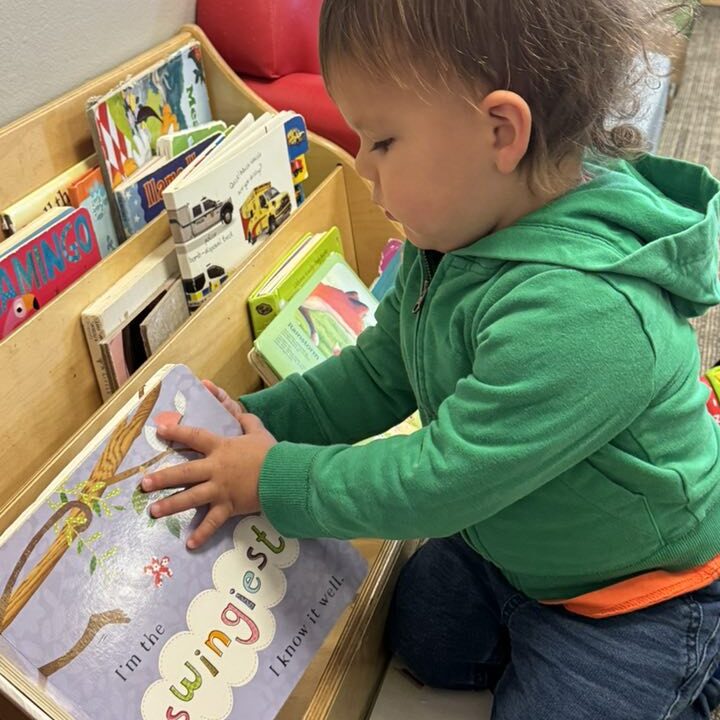
The most effective reading instruction balances skill development with pure enjoyment. Children who associate reading with pleasure are far more likely to practice independently, which accelerates their progress exponentially. Our classrooms prioritize cozy reading corners, engaging read-aloud sessions, and opportunities for children to choose books that match their interests. When a child begs to hear their favorite story for the twentieth time or rushes to share a new discovery from a picture book, we know we’re cultivating the intrinsic motivation that sustains lifelong readers.
Parents often worry about finding the right balance between academic preparation and childhood joy. The truth is these goals aren’t mutually exclusive. Systematic phonics instruction delivered through games, songs, and interactive activities feels like fun while building essential neural pathways. Children don’t need to choose between learning letter sounds and enjoying imaginative stories because effective early literacy programs seamlessly integrate both elements.
Castle Creek Christian Academy invites you to discover how our research-based reading readiness program can prepare your child for academic success while nurturing a genuine love for books. Contact us today to schedule a tour and see our literacy-rich classrooms in action. Your child’s reading journey begins with the right foundation, and we’re here to provide exactly that.